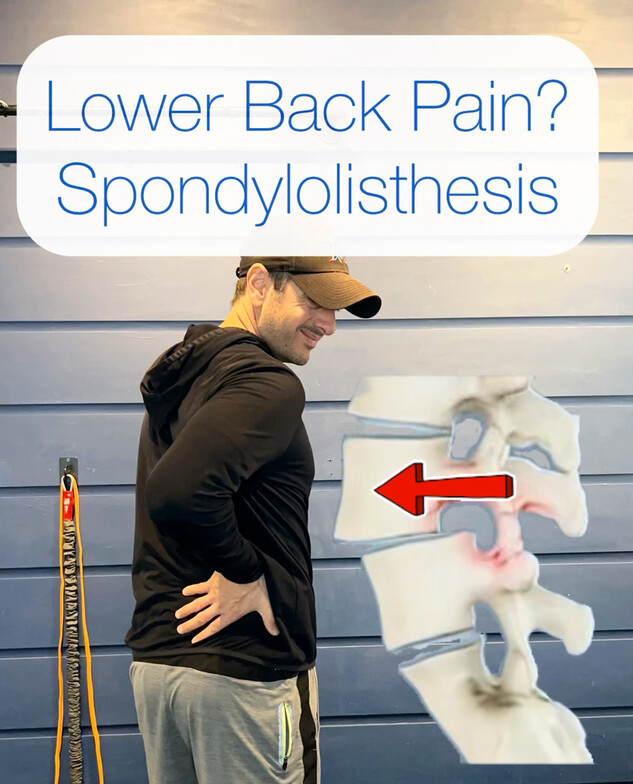
Understanding Spondylolisthesis: A Common Cause of Back Pain
Back pain is often brushed off as a muscle strain or tightness, but in some cases the source is coming from the spine itself. One commonly overlooked condition is spondylolisthesis, a spinal issue that can cause persistent or recurring low back pain and leg symptoms if left unaddressed.
What Is Spondylolisthesis?
Spondylolisthesis occurs when one vertebra slips forward over the vertebra below it. This shift can place stress on joints, discs, and nearby nerves, leading to pain and reduced spinal stability. The severity can vary—from mild and barely noticeable to more symptomatic cases that interfere with daily activities.
Common Symptoms
Symptoms depend on the degree of slippage and nerve involvement. Common signs include:
-
Low back pain or stiffness
-
Tight hamstrings
-
Pain that worsens with standing, walking, or arching backward
-
Pain, numbness, or weakness that travels down one or both legs
Some people may have spondylolisthesis and experience minimal symptoms, while others notice pain that gradually worsens over time.
What Causes Spondylolisthesis?
Spondylolisthesis can develop for several reasons, including:
-
Repetitive stress or overuse, especially from movements involving repeated spinal extension
-
Degenerative changes related to aging that weaken spinal joints and discs
-
Trauma or injury to the spine
Athletes—particularly gymnasts, football players, and weightlifters—as well as individuals whose jobs require frequent bending or lifting, may be at higher risk.
Does It Require Surgery?
The good news is that most cases of spondylolisthesis do not require surgery. Many people respond well to conservative treatment focused on improving spinal stability and movement control.
Conservative Treatment and Rehab Focus
Effective non-surgical management often includes:
-
Improving core and hip stability to support the spine
-
Limiting excessive lumbar extension that can worsen symptoms
-
Restoring mobility in surrounding areas such as the hips and thoracic spine
-
Managing pain and inflammation through targeted exercises and activity modification
A personalized rehabilitation program can help reduce symptoms, improve function, and allow a safe return to daily activities or sports.
When to Get Evaluated
If back pain is persistent, worsens with certain movements, or includes leg symptoms like numbness or weakness, it’s important to seek a professional evaluation. Early identification and proper management can make a significant difference in long-term outcomes.
Final Thoughts
Spondylolisthesis is a common spinal condition that doesn’t have to mean long-term pain or surgery. With the right approach, many people are able to manage symptoms effectively and regain confidence in movement. Understanding the condition is the first step toward taking control of your back health.

Dr. Steve Muscari
Contact Me